
Final Impressions
To Kill a Mockingbird (TKAM) is a classic novel that everyone should read. I strongly recommend it. It started off really slow, and I was beginning to think that I was going to lose interest and not be able to finish. But, as the book progressed, I found it more and more enjoyable. Once the trial happened and the events of the book continued to flow, I could not put the book down, and ended up reading very far ahead of the rest of the class. This book highlighted the fact that as much as we try, we can never really know one another. The theme of “The Secret Lives We Lead” is evident in this book among many of the characters and is critical to understanding TKAM. From Mrs. Dubose’s heroine addiction to Boo Radley’s life of a hermit, the secret lives are countless, it makes you question if you really know anyone you surround yourself with.
Scout Finch
My character Scout, has changed a lot regarding her maturity and dependency level. At the beginning of the book, we are introduced to a girl that follows in the shadow of Dill and her older brother. Though throughout the story, we see her change and start forming her own opinions. Dill and Jem may have a better understanding of what is going on in their father’s court case and the rest of Maycomb county, but it is fairly new for Scout. She continues to ask Atticus any questions that plague her mind, and from these along with influence from others, she grows to become more and more opinionated and informed.
In the novel, Scout had come home one day and asked Atticus “What exactly is a N*****-lover?” He responded by explaining that it is a meaningless term which people tend to use when they are referring to someone they believe to favor black people over themselves or their own race. He also confesses that he certainly is considered one because he “does his best to love everybody.” In doing this, Atticus is shaping the way Scout thinks about people in her small town and how she will grow to treat others, which will allow her to become a more well rounded and outspoken individual.
During TKAM, Atticus had stated, “You never really understand a person until you consider things from his point of view—until you climb into his skin and walk around in it.” This quote is central to our theme of secret lives and emphasizes the importance of having empathy in this world. Atticus stands out among others in the community for his ability to empathize with so many people and his daughter is growing to be the same way. Scout is like a sponge absorbing everything around her in order to figure out who she is, where she belongs, and how to think for herself.

Socratic Seminars
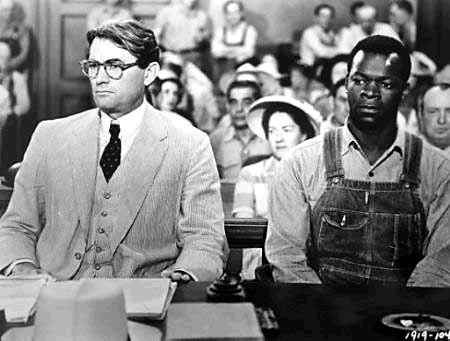
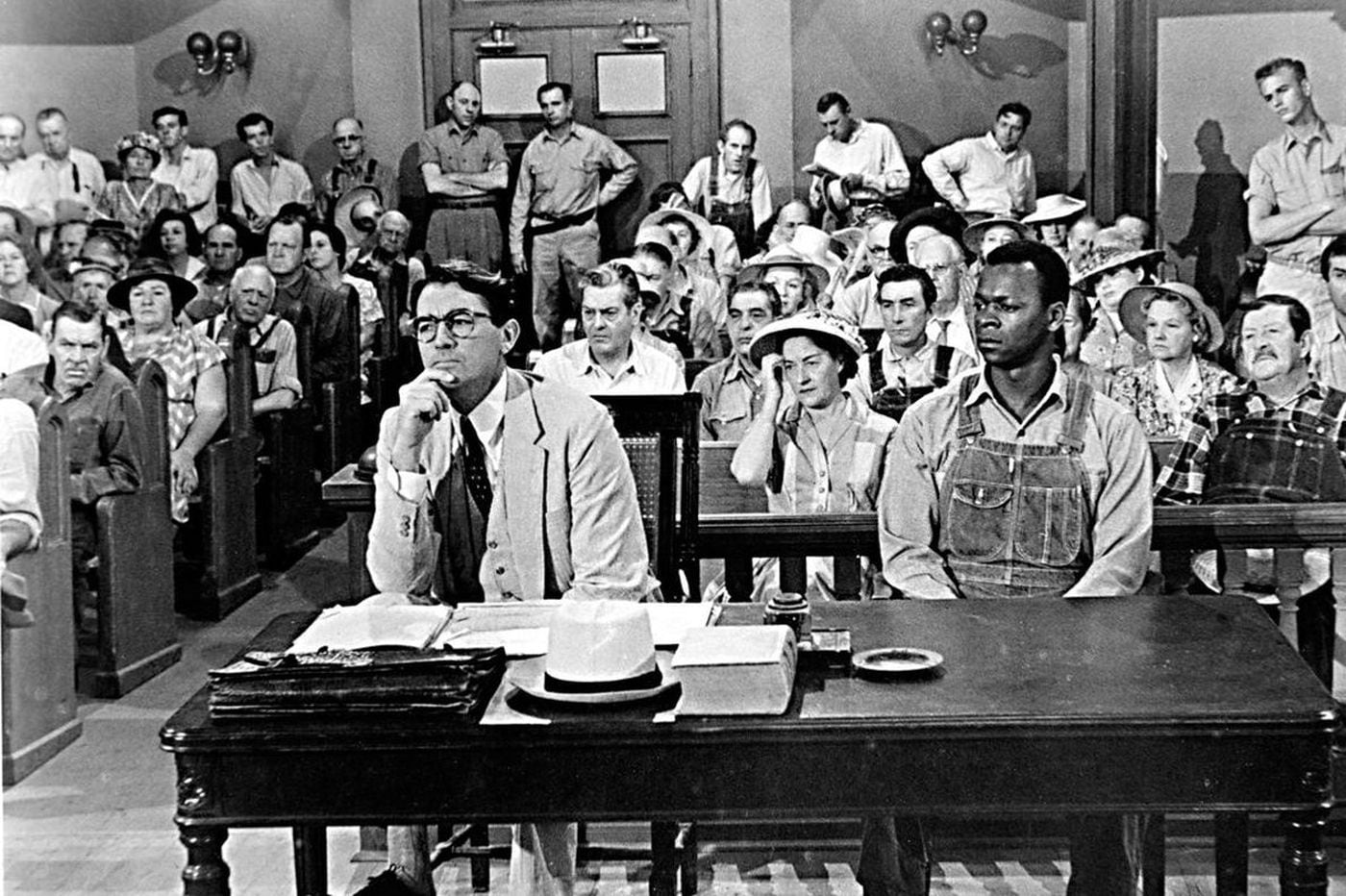
Atticus Finch was a heroic man and far different from any other adult that lived in Maycomb county. His wisdom and ability to see through the social barriers of race were what made Atticus so empathetic and wise, yet so susceptible to being used as the people of Maycomb County’s “lamb to the slaughter,” which was one of the major points my class discussed during our seminar. Throughout the story, we discussed how Atticus was always being offered up by the people of Maycomb County to clean up their messes and fix their wrongdoings, especially when it came to racism, and because Atticus is always up for the task, the town ended up turning a blind eye to everything wrong because they would always have Atticus to fall back on. This idea was something that I would have have never thought of, and being able to discover this during our class seminar helped me to further understand To Kill A Mockingbird.
Related Texts
As well as reading TKAM, we also explored On a Certain Blindness, Black Men in Public Space, and an article on white people understanding Ferguson. These articles were supposed to allow us to apply real world aspects, that have happened recently, to TKAM, and to compare and contrast the growth of the United States and the world when it comes to the topic of racism. I believe that these articles show that racism still exists in this world, as anyone who pays attention to the news knows, but I also believe that these articles present progress for the world.
If we were still in the time period in which TKAM was written, none of these articles would happen. There would be no public outcry, just barely heard protest for the oppressed, and then everything would go back to the way it was. These articles show that progress has been made in this world, and a large majority of people are not okay with the actions portrayed in TKAM or the other texts.


 Opened Opportunities